


Generative realities - Dentsu Creative trends 2026

The Dentsu Creative 2026 trends report “Generative Realities” is here! It brings together insights from dentsu’s global strategists and a study of 4,500 consumers from around the world, analysing the trends shaping people’s behaviour, brands, and society. The report reveals several key shifts: a growing desire for things that are crafted, unique, and human‑made, as well as increasingly mixed feelings toward constant connectivity and the rapid pace of technological development. We hope this trends report will help uncover new creative opportunities and support building deeper connections with consumers in 2026 and beyond.
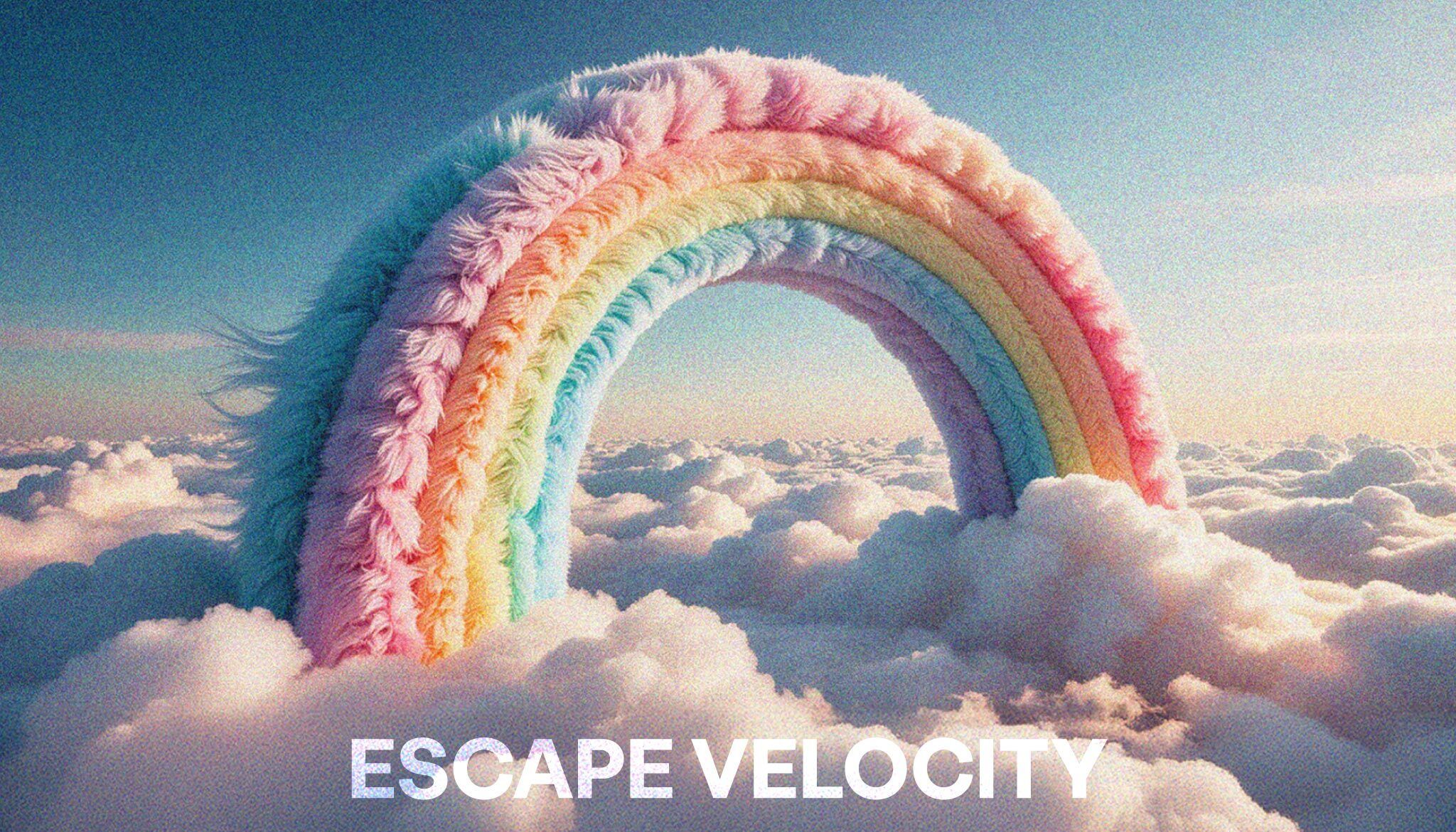
Escape velocity
As global tension and anxiety rise, people are increasingly seeking escape from “adult problems’’ and the pressures of modern life by turning to fantasies, fan communities, and cute collectible items. Cuteification is entering many areas of life, creating new rituals, mythologies, and sources of comfort that sometimes border on playful chaos. These trends reflect a broader exhaustion with instability, declining trust in institutions, and rising living costs. Escape Velocity explores this growing desire to retreat into a safer, more playful space, one where growing up can be paused, even if just for a moment.
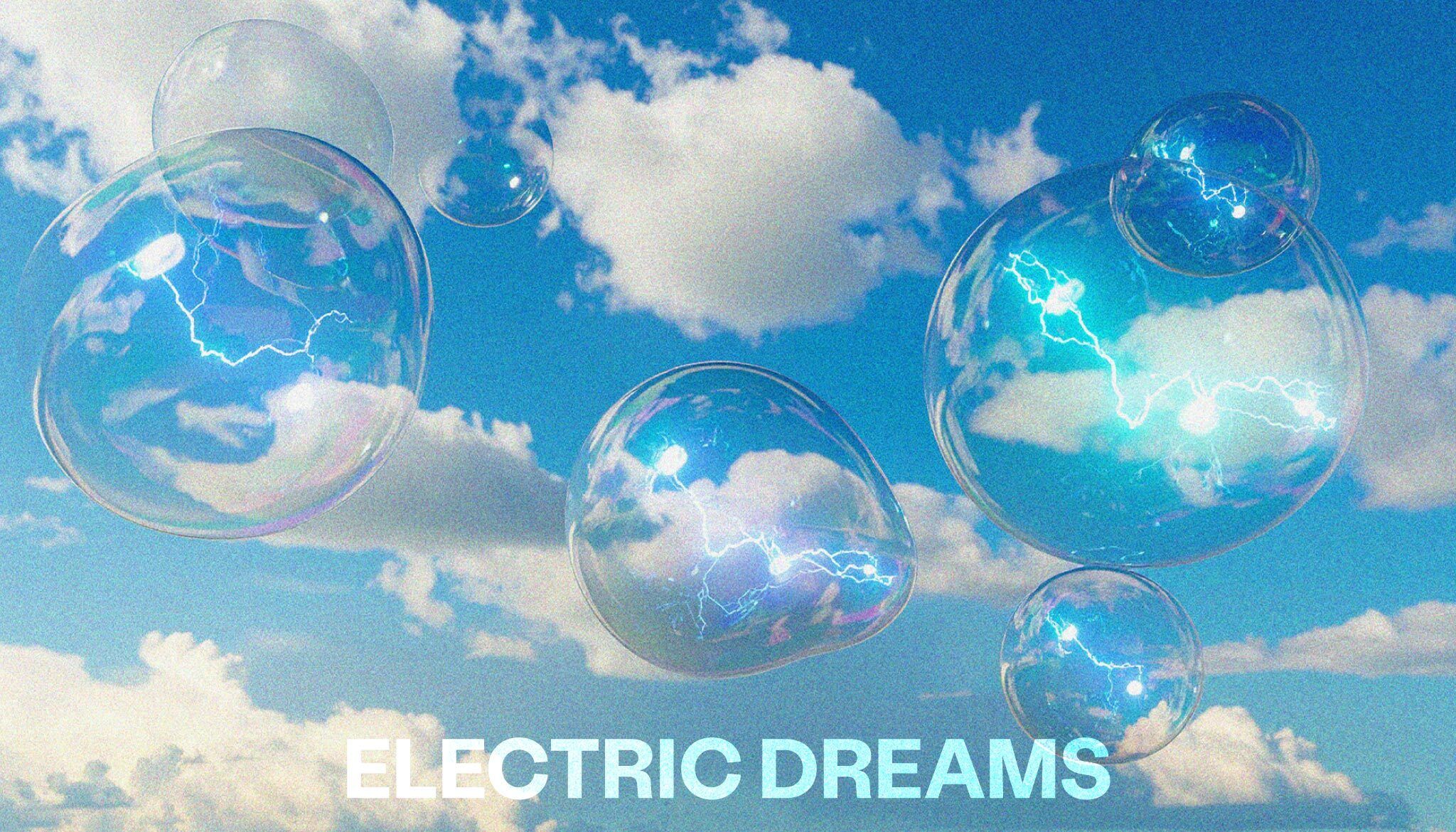
Electric dreams
As AI evolves at an increasingly rapid pace, the way consumers perceive AI‑generated content is changing. People sometimes even form emotional bonds with AI chatbots, although overall there is still a strong sense of distrust toward AI‑created content. AI is also being integrated into children’s toys, raising concerns about privacy and about children’s ability to distinguish what is natural from what is artificial. Meanwhile, AI actors and musicians are becoming more lifelike, reshaping culture, entertainment, and media, and greatly lowering the barriers to content creation. At the same time, low‑quality, mass‑produced “slop” content is growing rapidly, prompting platforms like YouTube and Spotify to introduce new restrictions to maintain a positive user experience. As a countertrend, interest in slower, more thoughtful, and carefully crafted content is rising just as quickly.
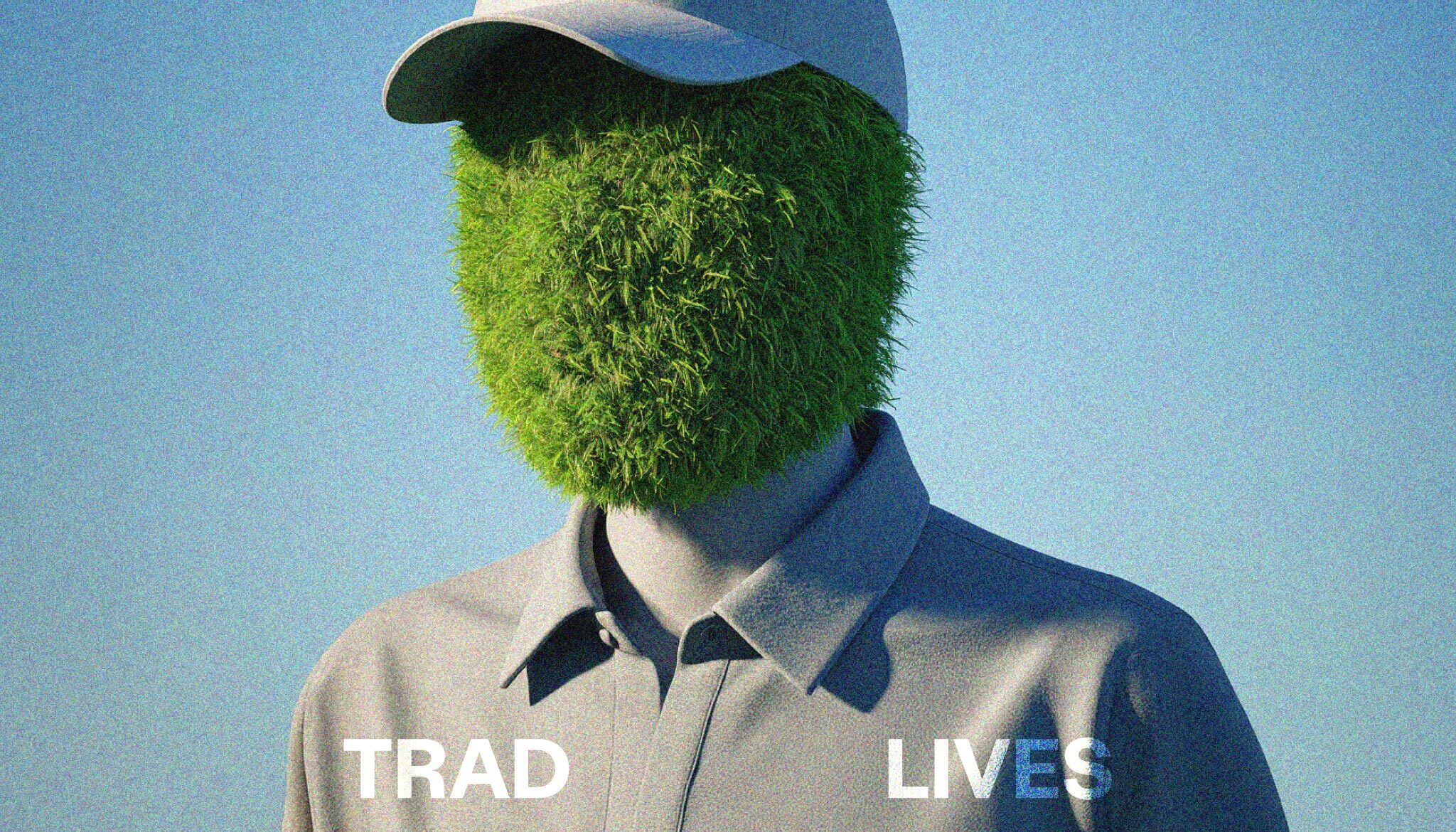
Trad lives
In response to the fast‑paced and demanding nature of modern life, people are increasingly seeking peace in nature. There is a growing desire to reconnect with the land, both literally and symbolically, reflected in rising interest in agriculture, local initiatives, and life in smaller towns. Rural areas are becoming spaces of inspiration and renewal, gradually replacing the traditional ideal of big‑city living. The theme of “earth” is also resonating strongly in culture: museums and cultural centres are exploring land‑focused narratives, while public interest in mushrooms, fermentation, and cultured foods continues to grow, visible both on store shelves and in the rise of new brands.
Alone together
Loneliness and social isolation continue to rise, even as people seek new ways to form meaningful connections. 56% of consumers worldwide say that spending more time on social media and in virtual environments has made them feel less confident in their ability to communicate in person. As a result, interest is growing in new “third spaces” and alternative ways of meeting, especially as the no/low alcohol movement makes bars a less obvious default for socialising. Among Gen Z, soft clubbing, daytime, alcohol‑free events and “sober curious” experiences, is becoming increasingly popular. At the same time, online content is becoming more fragmented, and in this splintered landscape, influencers are emerging as key connectors. Media and entertainment platforms are also becoming more aware of their role in bringing communities together and activating collective experiences.

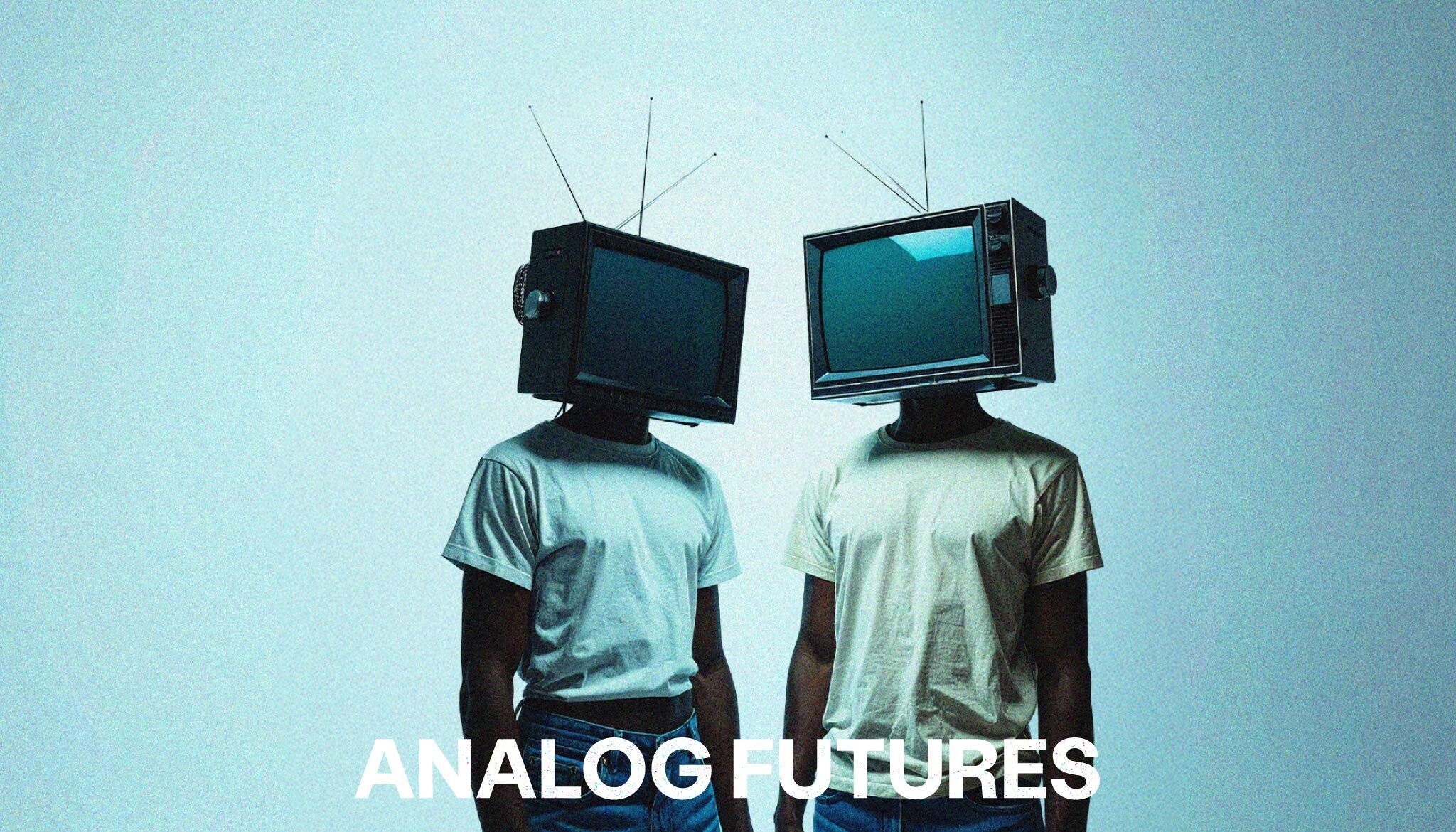
Analog futures
In response to a world driven by algorithms and saturated with AI, younger generations are increasingly drawn to analog living, or at least to an analog aesthetic. People across age groups are experimenting with “predigital” habits, opting for simpler technologies and intentional practices that reduce the urge to constantly reach for their smart devices. Devices beloved by previous generations are making a comeback: Polaroid cameras, vinyl record players, and even landline phones. Environmentally conscious young people are calling themselves “AI vegans,” while fashion brands actively resist the algorithm‑driven sameness shaping digital culture.
Dalies ar rakstu